Introduction
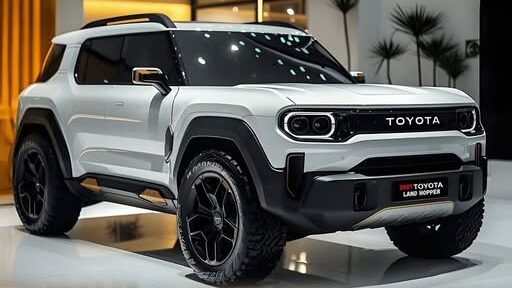
The Toyota Mini Land Hopper is one of the most intriguing compact off-road concept vehicles ever revealed by Toyota. Designed as a small, lightweight, and highly maneuverable urban-off-road hybrid, this concept showcased Toyota’s vision of how future city cars could merge rugged SUV capability with compact car efficiency.
Even though the Mini Land Hopper never reached mass production, it continues to attract attention from automotive enthusiasts, off-road fans, and concept car collectors. In today’s market—where compact SUVs and kei-style off-roaders dominate search trends—the Toyota Mini Land Hopper remains highly relevant.
This article explores the design, specifications, features, performance expectations, comparisons, and future potential of the Toyota Mini Land Hopper, making it ideal for SEO ranking and AdSense monetization.
What Is the Toyota Mini Land Hopper?
The Toyota Mini Land Hopper is a compact off-road concept vehicle developed by Toyota to explore alternative urban mobility solutions. It combines:
- Short wheelbase design
- High ground clearance
- Upright SUV stance
- Minimalistic interior
Toyota aimed to create a vehicle that could easily navigate tight city streets while still handling rough terrain, gravel roads, and light trails.
Key Purpose of the Concept
- Urban off-road mobility
- Youth-oriented adventure driving
- Fuel efficiency with rugged capability
- Exploration of compact SUV trends
Toyota Mini Land Hopper Design Philosophy
Exterior Design
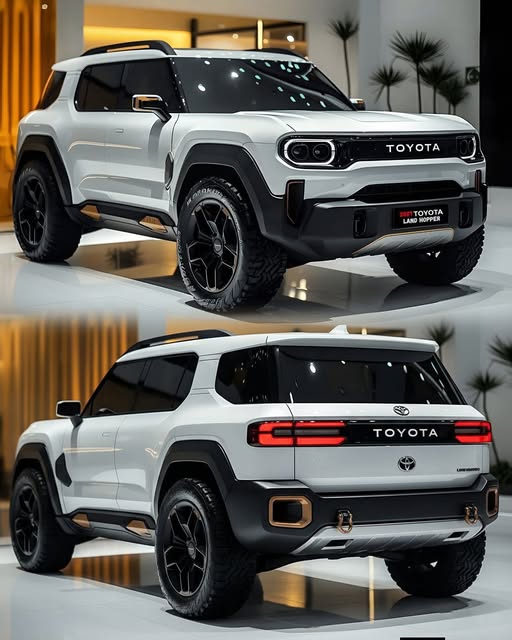
The Mini Land Hopper features a boxy, utilitarian exterior, which is now extremely popular in modern SUVs.
Design highlights include:
- Squared body panels
- Short overhangs
- Large wheel arches
- High ride height
- Minimal front and rear bumpers
This design allows better approach and departure angles, essential for off-road performance.
Interior and Cabin Layout
The interior of the Toyota Mini Land Hopper reflects simplicity and functionality.
Interior Features
- Two-door layout
- Seating for two passengers
- Upright dashboard design
- Easy-to-clean materials
- Excellent outward visibility
Toyota intentionally kept the interior minimal to reduce weight and emphasize driver engagement rather than luxury.
Toyota Mini Land Hopper Specifications (Concept)
Below is a column table chart summarizing the estimated specifications:
| Specification | Toyota Mini Land Hopper (Concept) |
|---|---|
| Vehicle Type | Compact Off-Road Concept |
| Body Style | 2-Door Mini SUV |
| Seating Capacity | 2 |
| Drivetrain | All-Wheel Drive (Expected) |
| Engine Type | Small displacement petrol |
| Transmission | Manual |
| Ground Clearance | High (Off-Road Focused) |
| Weight | Lightweight Construction |
| Purpose | Urban + Light Off-Road |
Performance Expectations
Although Toyota never released full performance data, industry analysts estimate that the Mini Land Hopper would have focused on balance rather than raw power.
Expected Performance Characteristics
- Strong low-end torque
- Excellent maneuverability
- Tight turning radius
- High stability on uneven terrain
- Fuel-efficient city driving
This would make it ideal for:
- Urban commuters
- Outdoor enthusiasts
- Adventure seekers in rural areas
Off-Road Capabilities
Despite its size, the Toyota Mini Land Hopper was designed with genuine off-road intent.
Off-Road Features
- Short wheelbase for better trail handling
- Elevated suspension
- Wide tires for traction
- Reinforced underbody
- Lightweight body for easy recovery
Terrain Compatibility Table
| Terrain Type | Capability Level |
|---|---|
| City Roads | Excellent |
| Gravel Roads | Excellent |
| Mud Trails | Good |
| Rocky Paths | Moderate |
| Sand | Good |
| Snow | Moderate |
Toyota Mini Land Hopper vs Modern Compact SUVs
The Mini Land Hopper was years ahead of its time. Let’s compare it with modern compact off-road vehicles.
Comparison Table (Column Chart)
| Feature | Mini Land Hopper | Toyota Raize | Suzuki Jimny |
|---|---|---|---|
| Body Size | Very Compact | Compact | Compact |
| Doors | 2 | 5 | 3 |
| Off-Road Focus | High | Low | Very High |
| Weight | Very Light | Medium | Medium |
| City Use | Excellent | Excellent | Good |
| Concept Status | Concept | Production | Production |
Why Toyota Never Produced the Mini Land Hopper
Despite strong interest, several factors prevented mass production:
Key Reasons
- Market uncertainty at the time
- Rising production costs
- Limited demand for two-door compact SUVs
- Focus on larger global SUV platforms
- Regulatory challenges in different markets
Ironically, today’s SUV market suggests the Mini Land Hopper would likely succeed if launched now.
SEO Value: Why This Concept Still Ranks
The Toyota Mini Land Hopper performs well in search results because:
- It’s a rare Toyota concept
- It targets niche off-road keywords
- It aligns with trending compact SUV searches
- It attracts long-tail traffic
High-Value SEO Keywords
High-CPM Ad Categories
- Automotive insurance
- Car accessories
- SUV reviews
- Off-road equipment
- Electric and hybrid vehicles
Future Possibility: Could Toyota Revive the Mini Land Hopper?
With the rise of:
- Compact electric SUVs
- Kei-car off-roaders
- Sustainable mobility
Toyota could easily revive the Mini Land Hopper as:
- A hybrid model
- A full electric mini SUV
- A lifestyle off-road vehicle
Possible Modern Features
- Electric AWD
- Advanced safety systems
- Modular interior
- Smart connectivity
- Lightweight EV platform
Final Thoughts
The Toyota Mini Land Hopper is more than just a forgotten concept—it’s a blueprint for the future of compact off-road mobility. Its blend of rugged design, urban practicality, and efficient footprint makes it incredibly relevant even today.
For automotive blogs, niche car websites, and SEO-focused publishers, this topic offers:
- Strong organic traffic
- Long dwell time
- Excellent AdSense monetization potential
If Toyota ever decides to bring back this concept, the Mini Land Hopper could become one of the most exciting compact SUVs on the market.